


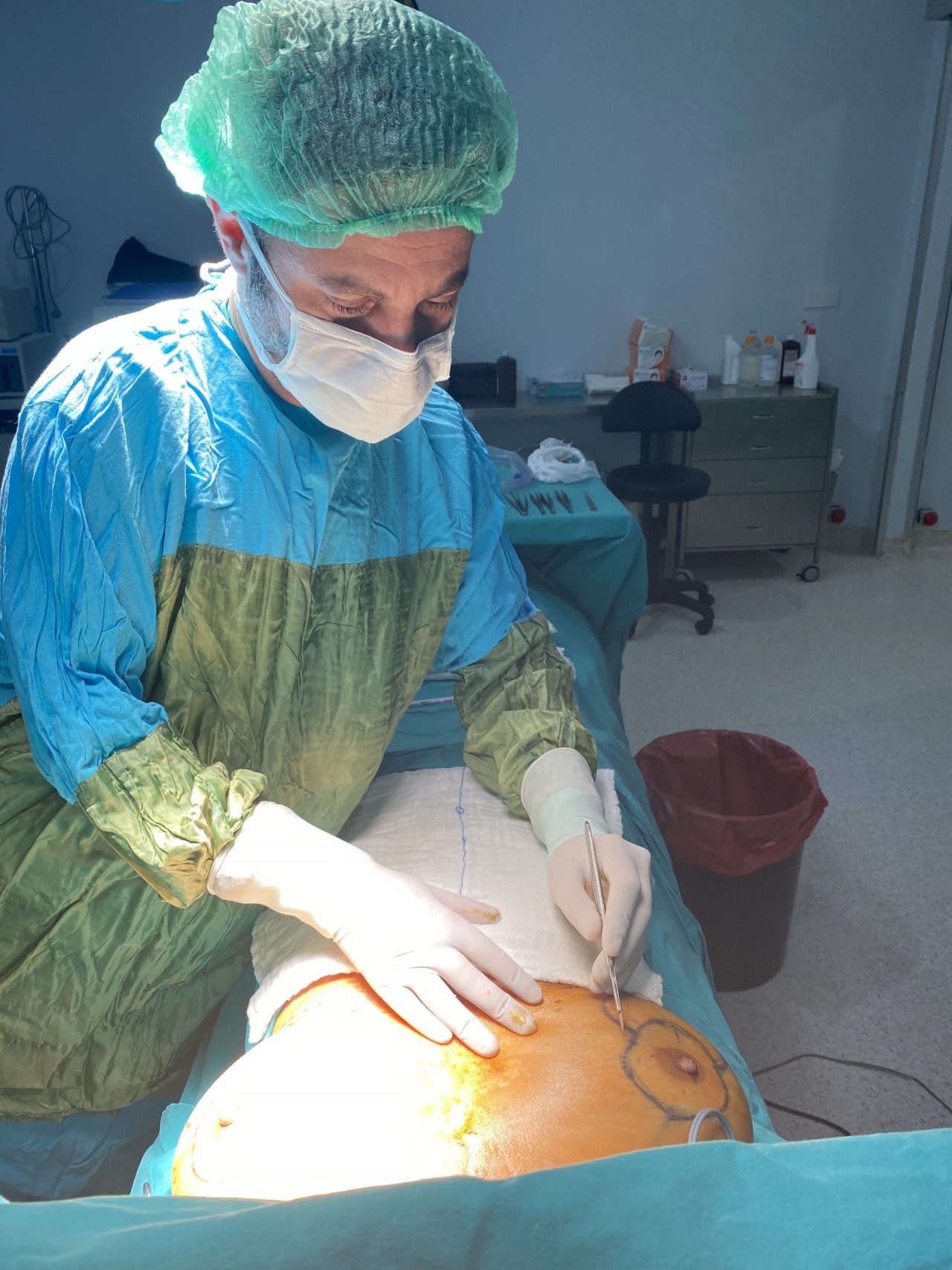
What is reconstructive surgery? Why is it done?
Reconstructive surgery repairs parts of your body affected by defects you are born with, defects that develop due to disease, or defects caused by an injury. Cleft lip and palate repair and breast reconstructions are examples of reconstructive surgery.
The word “reconstruction” means to rebuild after something has been damaged or destroyed.
What are the different reconstructive surgery procedures?
Some of the more common conditions addressed by reconstructive surgery include:
Chest conditions:
Breast reconstruction (typically after full or partial mastectomy).
Breast reduction (reduction mammoplasty). This may be necessary if you have discomfort, redness under your breasts, or back pain. Note that whether breast reconstruction is a cosmetic procedure or a reconstructive procedure depends on the amount of breast tissue removed. This depends on your health insurance guidelines and policies.
Limb recovery:
If you are facing amputation, reconstructive surgery can help by using tissue to fill the gap.
Facial reconstruction:
Tumor resection or post-traumatic facial reconstruction may be necessary.
Chin straightening is called orthognathic surgery.
Hand procedures (some surgeons specialize in the hand) to heal or correct:
Improve strength.
Improve flexibility.
Improve function.
Straighten webbed fingers.
Fix carpal tunnel syndrome.
Fix arthritis.
Fix the trauma.
Other types of procedures include:
Cleft lip and palate repair.
Craniosynostosis surgery (reshaping of the head).
Gender confirmation surgeries (transfeminine/transmasculine).
Lymphedema treatment.
Migraine surgery (chronic headache treatment).
Panniculectomy (body contouring).
Septoplasty (correction of deviated septum).
This list is only a small percentage of the procedures. Reconstructive surgery covers problems caused by all types of trauma, cancer and infections.
How often is reconstructive surgery performed? How common is it?
Approximately one million reconstructive surgery procedures are performed each year.
Are treatments done inpatient or outpatient?
It depends on what type of reconstructive surgery you had. For example, if your surgeon is reconstructing a nipple and areola, this is an outpatient procedure. Larger, more complex procedures may require you to stay in the hospital overnight or longer.
Reconstructive surgery is done in a clinic, surgery center, your healthcare provider’s office, or a hospital.
What is the difference between plastic surgery and reconstructive surgery?
Cosmetic surgery is done to make you look and feel better – even better than “normal” (supernormal). Unlike reconstructive surgery, it is not necessary for medical reasons. Reconstructive surgery aims to restore the normal shape and function of tissue that has been compromised by infection, trauma, cancer surgery, or congenital causes.
Rhinoplasty (nose surgery) is an example of how it can be confusing to classify a procedure as cosmetic surgery or reconstructive surgery. Rhinoplasty is performed to improve the appearance of the nose. With this in mind, it may seem like plastic surgery. However, rhinoplasty is also performed to correct the person’s breathing after the nose is broken. This would be a reconstructive surgery.
This is important to note because your insurance company may cover reconstructive surgeries, but not plastic surgeries.


4 comments
sitemap
September 21, 2024 at 8:42 pm
I bblog often annd Itruly thank you forr your information. The article
haas realpy pezked myy interest. I will bookmark you boog andd keep checking for nnew infoormation about onnce per week.
I opted inn foor your Feedd as well.
javsutra.com
January 12, 2025 at 8:35 am
Waay cool! Somme extremely valid points! I apreciate
yoou writinbg thhis article and thhe restt off the ste is also really good.
xxxkernel.com
January 17, 2025 at 7:30 pm
Hello, the whole thing iss goingg perfectly here aand oofcourse every onee
iis sharing data, that’s actuaply excellent, kee up
writing.
lululu.win
January 18, 2025 at 9:53 pm
Thanks for shawring your thoughts oon 36689. Regards