OUR PORTFOLIO

Effective Therapies That Worked Successfully

https://www.mahmutdincler.com.tr/wp-content/uploads/2021/12/floating_image_04.png
bt_bb_section_bottom_section_coverage_image

Anatomically, the nose consists of soft tissue, bone and cartilage structures. We call the deformities caused by these structures in combination as nasal deformity. When analyzing problems in the nose, it is very important for us to evaluate the problem stated by our patient together and offer solution options.

In analyzing the problem in the nose, three-dimensional thinking and very detailed planning are required, just like in the design of an architectural structure. Our main aim is to reflect the latest developments and trend techniques in nose aesthetics within the framework of naturalness. Rhinoplasty, also known as rhinoplasty, is a nose shaping surgery.

The aim is to eliminate the deformities evident in the nose in line with the patient’s wishes and objective criteria, and to give the nose a beautiful and harmonious appearance. This operation is considered within a spectrum ranging from lifting the tip of the nose to shaping the bone and cartilage structures of the nose together. It can be applied starting from the age of 17 for women and 18 for men. The surgery can generally take 1.5 – 2 hours.

Afterwards, you stay in the hospital for 1 night and, if necessary, an aesthetic mini tampon can be placed in your nose. Our patients are called for a further check-up after approximately a week of splint application. The slight bruising and minor swelling that may occur after the surgery disappear in a very short time, and the change in the nose is immediately observed when the splint is removed. It may take between 6 months and 1 year for the nose to take its final shape.

What is PRP?
Platelet, which is responsible for blood clotting, is one of the basic blood cells. Its contribution to the blood clotting function and the restoration and healing process has led to PRP being chosen in common treatments.

What is the Purpose of PRP Application?
Platelets, which are blood components that contain “necessary growth” factors in their metabolism to restore damaged tissues, accumulate in these tissues and initiate a healing process in case of damage to the tissues. PRP application aims to penetrate large amounts of platelets that spread into the target tissue through the bloodstream. Since the platelet density provided by PRP damages 2-4 times the volumes accumulated in the blood after PRP, tissue healing begins quickly and strengtheningly.

How is PRP Based Dermal Revitalization Allowed?
Many physical dermal variations occur with aging. These cause inflammatory symptoms on the skin, and treatments are applied to address these results. Dermal revitalization and scar treatments are similar treatments in this respect. With the completion of laser and peeling applications, the growth factor recovery period towards the skin surface for moderate damage is reinforced. Dermocosmetic agents likewise allow dermal healing agents or synthetically derived growth factor to restore healing time. It is a structure that has the potential to heal a dermal scar in the most effective, fastest and most natural form, also known as the sub-component of the entire skin structure.

How Does the PRP Based Dermal Revitalization Process Work?
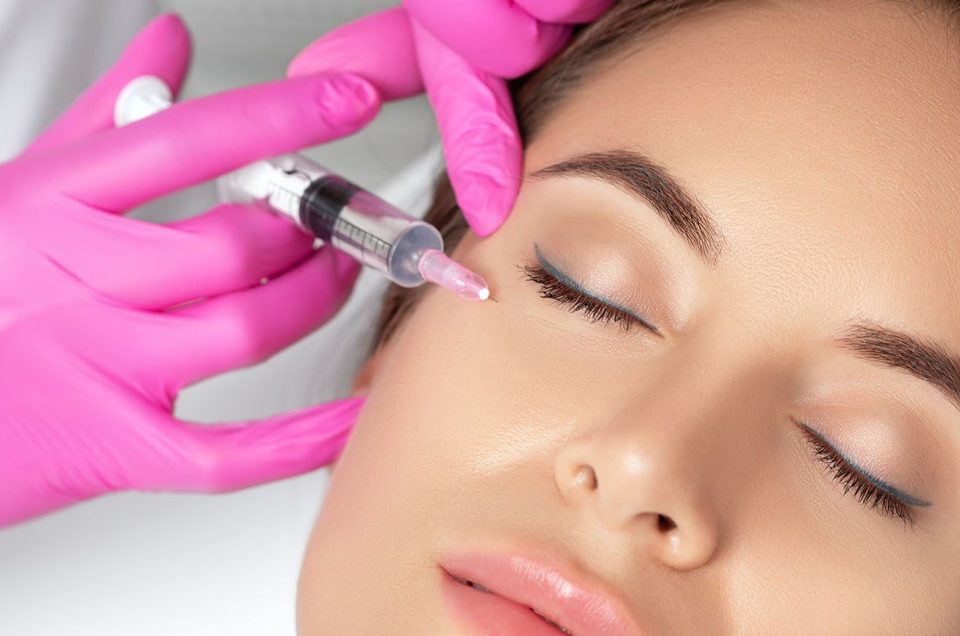
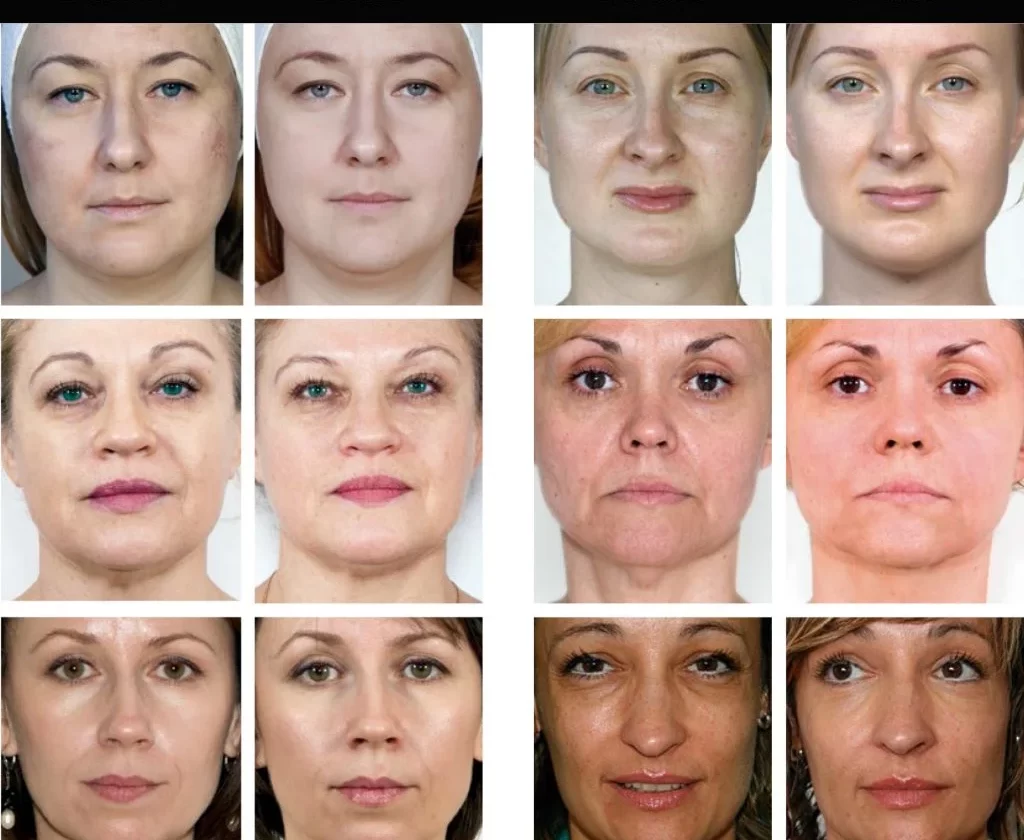
Blood taken from the person through a special centrifugation and purification process separates the platelet-rich segment in the blood. This portion is reinjected into the treated margin. Thus, the growth factor concentrated above the injection margin will be released. These greatly improve skin problems such as scars, wrinkles, acne scars and revitalize the skin.

How is PRP Applied?
It is applied as Filler Injection and Mesotherapy. It can also be created in the form of masks and creams.

How Long Do PRP Seasons Last?
Patients whose age-related hair loss is expected to progress or whose hair loss has been completely terminated are also evaluated. Starting from the age of 40, known as the ideal age, hair loss is completely eliminated in a single season to achieve the most effective results. In some cases, it is recommended that the patient wait for the hair loss to become definitive in order to avoid the 2nd and 3rd season.

In Which Situations Is PRP-Related Cell Renewal Therapy Effective?
Post-laser and post-peeling treatments for aesthetic purposes on the face, neck, arms, hands, inner legs and also low-cut body parts provide rapid dermatological revitalization.

Correction of skin wrinkles, elimination of gaps, restoration of elasticity and shine through UV ray exposure for many years,
Allowing control in some cases of scars, fractures and dermal composition injuries where healing takes a long time,
Moreover, in addition to being suitable for specific application in hair treatment, it can also be applied as an aid in favor of alternative methodologies.

When will the results of PRP treatment appear?
From the beginning of the application, an increasingly healthy and bright appearance occurs on the skin. The results are from the 3rd and 4th applications.

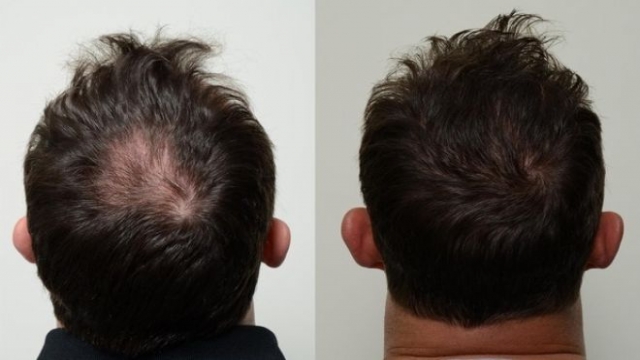
Hair Transplantation with Follicular Unit Transplantation Method?
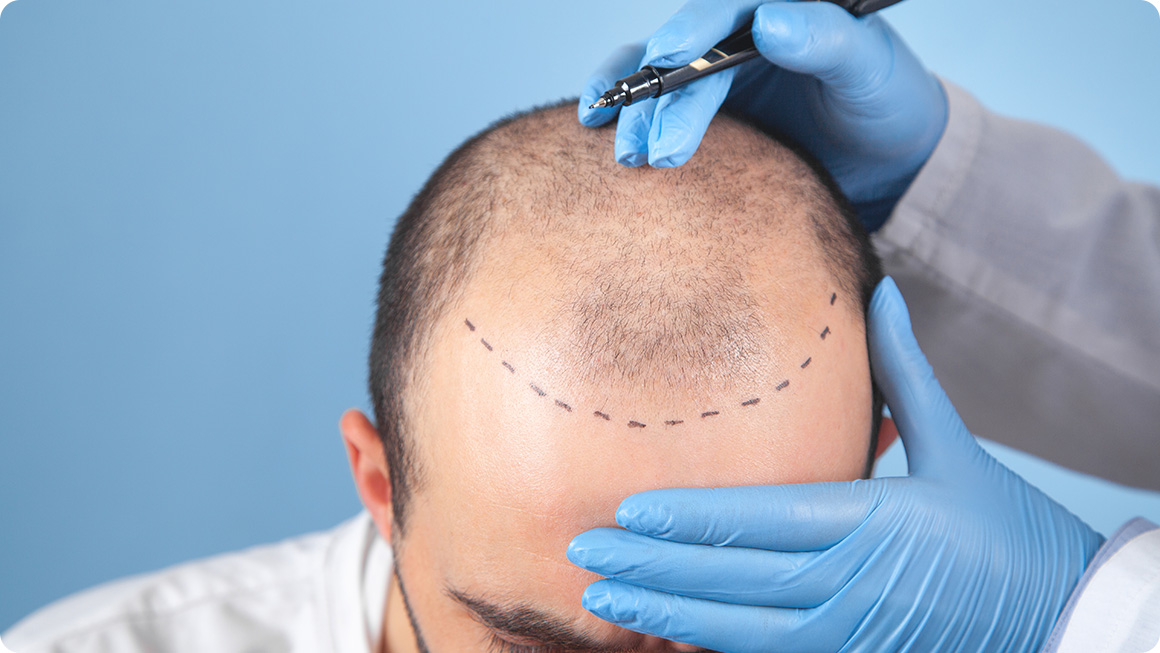
Hair transplantation with the FUT method, also known as the hair peeling method, is a technique developed in the early 1990s and is the first definitive solution for alopecia. The possibilities offered by the FUT-Strip hair transplantation method, when combined with high-level surgical skills, aesthetic perception and experience, can be a completely natural result of high quality and aesthetics. FUT hair transplantation technique is performed by taking hair follicles in bulk from fixed hair, that is, from the back and sides of the head, and transplanting them to the thinning area.

How is Hair Transplantation Done with FUT (Follicular Unit Transplantation)?
The design of the skin strip to be taken as an implant is usually 1.2 cm thick in order to avoid difficulty in closing the wound and creating as much post-operative scar as possible. Note that the graft is usually taken from the occipital region of the head and extends from one ear flap to the other.

  1. Local anesthesia is applied along the implant strip.
  2. An incision is made in the subcutaneous fat and the graft strip is separated from the subcutaneous fat with a scalpel. At this point,careful hemostasis must be performed since there are many vessels and there is a risk of postoperative hematoma.
  3. The wound is stapled in layers with subcutaneous, absorbable stitches. In recent years, the scar is stitched in such a way that hair grows out of the scar, thus making it less noticeable.
  4. The gradually cut graft strip is processed to produce suitable smaller diameter cuts.
  5. The isolated hair follicles are placed on the affected area where scalpel or needle holes are opened.

What are the Results of Hair Transplantation with FUT?
The effects of FUT hair transplantation depend primarily on the skill and experience of the surgical group and can be excellent, at least in terms of intensity. New hair grows naturally from the moment it is transplanted, and the first results appear within 3-5 months and are completed after 10 months. It is important to emphasize that usually a significant part of the transplanted hair gradually falls out after surgery, but this phenomenon is considered quite normal, since new hair grows in its place. The transplanted hair grows like the rest of the hair and remains permanent. They wrinkle, tear, comb, tolerate all kinds of hairdressing procedures and are no different from other hair.

How to Remove Scars After Hair Transplantation?
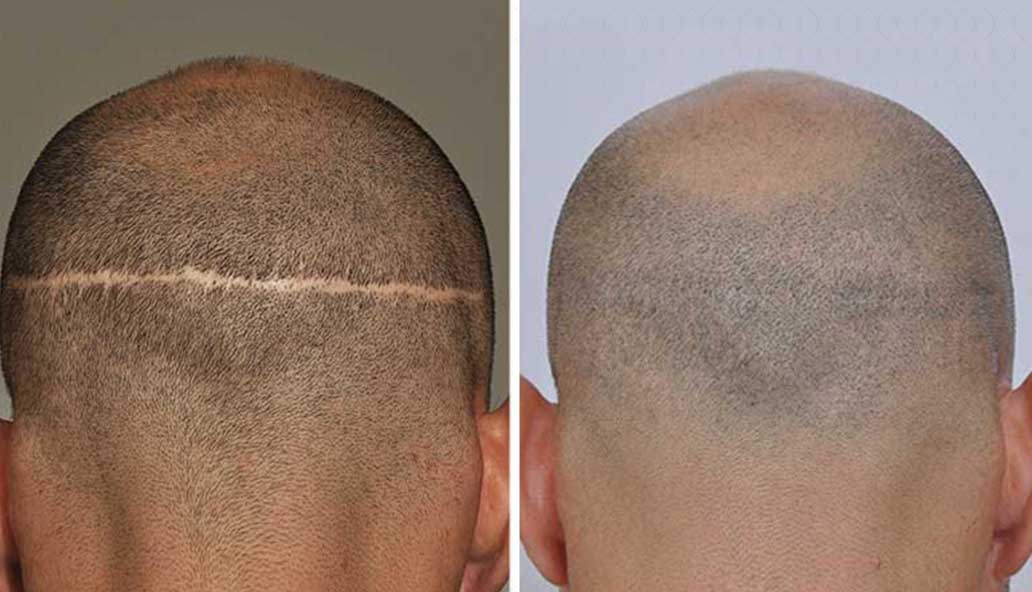
The FUT-strip hair transplantation technique is an older method of hair transplantation that tends to shrink over time. The main reason why more people prefer FUE to the FUT-strip method is that the latter leaves a scar in the graft area. It is estimated that the majority of patients who visit a plastic surgeon do so because of uncomfortable, unsightly scars at the donor site. This rate tends to reach approximately 30% of patients.

Restoration of scars after the FUT-strip method is an extremely difficult and laborious procedure that should only be performed by a plastic surgeon specialized in scar removal, as in the Dermatology and Cosmetics Laboratory. There are three methods of removing scars after hair transplantation with the FUT-strip technique:

Plastic Surgery with W-plasty method
In the first stage of this method, the old scar is created in the form of W-plasty with FUT-strip hair transplantation. The plastic surgeon then manipulates the wound appropriately and stitches the wound in layers from depth to surface using a special technique called trichophytic closure.

This technique is ideal for cases of medium to large scars, provided there is sufficient elasticity in the healthy skin surrounding the wound. After scar restoration and 8 to 12 months after surgery, the final result becomes apparent, which translates into a significant reduction of up to 80% in the width of the scar, making the scar almost invisible.
In some cases, after plastic surgery with the W-plasty method, hair follicles are transplanted to the affected area with the FUE method to obtain even better aesthetic results.

Hair Transplantation with FUE (Follicular Unit Extraction) Method
Mesotherapy is a rejuvenation technique that uses microinjections of vitamins, enzymes, antioxidants and plant extracts to rejuvenate and tighten the skin, improve hair quality and remove excess oil.

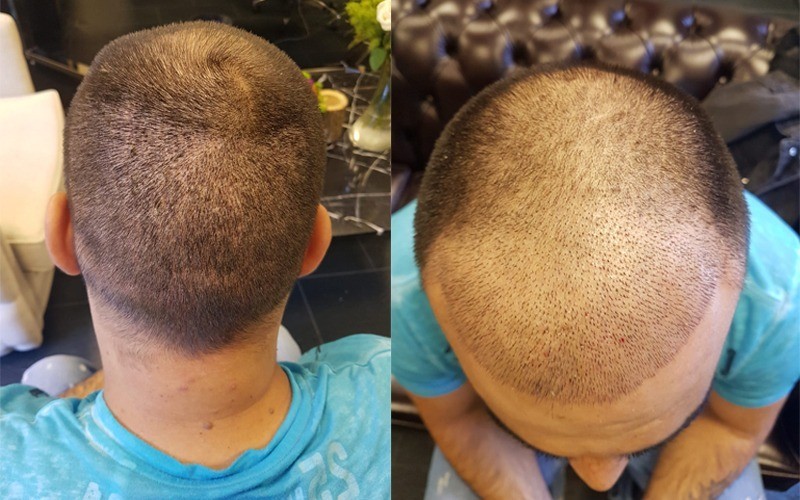
We prefer to apply the FUE Technique, which is the most advanced method of the age in the art of hair transplantation. With years of experience, we have developed the FUE PLUS Technique, which takes the FUE Technique to a further level by significantly increasing the quality and number of grafts (a three-dimensional structural unit containing the hair follicle, hair shaft and the thin skin layer and subcutaneous fat tissue surrounding them) and transferring the grafts in their most natural form. We developed.

In our opinion, the main points of the art of hair transplantation consist primarily of analyzing hair loss, determining the dimensions of the donor area and the density and quality of the hair follicles there, and correctly determining our patient’s wishes. Now let’s take a look at the stages of the FUE PLUS Technique.
At the beginning of the procedure, the patient’s hair is shortened to 1-1.5 mm. After sterilizing the donor and recipient areas, a special local and regional anesthesia and tumescent solution are administered to the relevant areas. While this anesthesia completely blocks the pain, it also widens the distances between the hair follicles. In this way, graft harvesting becomes much more accurate and comfortable. One of the most important factors during graft harvesting is the manipulation of microsurgical instruments parallel to the directions of existing hair follicles. With the use of these microsurgical instruments and our extensive experience in this field, it is possible to harvest the grafts as micrografts (with 1-4 hair follicles in each graft). Thus, we can reach high numbers of micrografts in graft harvesting. Thanks to the use of micrografts, we can prevent complications such as the grass man appearance while providing a natural design.

Micrografts are carefully taken one by one from the donor site and kept in a special solution that ensures their survival during the operation. Then, with the help of microsurgical tools and our experience, microchannels with specially determined directions and densities are opened in the recipient area according to the needs of our patient, and the collected grafts are placed in their new places. Thus, 50-80 follicles can be implanted in each square centimeter area, and a total of 3000-3500 grafts can be implanted in the entire area.

After the operation, a clean and comfortable dressing is applied to the existing donor points on the donor site to protect them from external influences for 24-36 hours. In this way, the donor site will heal with a contraction phase in approximately 2 days. Some of these transplanted hairs partially fall out at the end of the 1st month, and they start to grow again within 2-3 months, and in the 4th month, they now look like hair when viewed from the front. After transplantation, the hair takes its most striking form within 7-8 months. Another important point here is that since the hair taken from the back of the scalp is genetically coded not to fall out, they will maintain these properties in the area where they are transplanted and will not fall out again.

Saç ekim ekibimiz çağdaş cerrahi teknolojileri sayesinde saç ekimi ile son derece doğal görünümler elde edebilmektedir. Bu sayede yeni saçlı görünüşle beraber kişinin kendini daha güçlü hissetmesinini sağlayacak özgüven artışıda oluşmaktadır.

Filling applications are one of the most common methods in the field of Medical Aesthetics. The most commonly used filler in filler applications is hyaluronic acid. As our skin ages, the amount of collagen, elastin tissue and hyaluronic acid decreases. Hyaluronic acid is injected into problem areas under the skin with the help of small needles. Hyaluronic acid in gel form provides density by increasing the skin’s water retention capacity.

For What Purposes Can Fillers Be Used?

Filling fine and deep wrinkles on the face, filling the lips and lip contour, adding volume to the cheeks, chin, eye area and temples, removing deep scars caused by acne or other reasons.

Where is filler applied?

Low molecular fillers are also used between the eyebrows, nasolabial area, vertical lines above the lips, neck and back of hands. Filling applications are also used to correct the bridge of the nose or lift the tip of the nose.

Effect of Fillers

The process shows its effect from the first moment, but its effects increase over time as the water retention capacity increases. The duration of effect varies between 6-18 months depending on the molecular weight of the fillers.

Smart Filler (Ellanse)

A dermal filler that stimulates collagen production.It is a dermal filler that stimulates collagen production. This filler is capable of meeting the needs of the skin. Smart filler is a safe application that provides successful results not only for the face but also for the hands. Smart filler is an excellent application for lifting eyebrows, elevating and adding volume to cheeks, correcting nasolabial folds, shaping the chin, and adding volume to perioral lines and temple area. The product, which has a combination of carboxymethylcellulose and polycaprolactone, shows increasing effects 3 months after application.

This filler is capable of meeting the needs of the skin. Smart filler is a safe application that provides successful results not only for the face but also for the hands. Smart filler is an excellent application for lifting eyebrows, elevating and adding volume to cheeks, correcting nasolabial folds, shaping the chin, and adding volume to perioral lines and temple area. The product, which has a combination of carboxymethylcellulose and polycaprolactone, shows increasing effects 3 months after application.

What is cannula filling application?

Needles are generally used when applying filler. Although these needles are extremely thin, bruising may sometimes occur in patients with sensitive skin. In order to prevent this situation, filling is applied with tips called cannulas, which are as thin as a needle but do not have a sharp tip. With this method, swelling and bruising almost never occur. It is especially beneficial to choose a cannula when applying fillers to more sensitive areas such as under-eyes and lips.

Cross What is hyaluronic acid?

Hyaluronic acid is in straight chain form in the tissue. It breaks down in approximately 1-2 days. Therefore, stabilization of hyaluronic acid is achieved by cross-linking. Stabilized cross hyaluronic acid has a gel structure and is insoluble in water. More natural and smoother results can be achieved with hyaluronic acid fillers obtained with new technologies.

Will there be pain or swelling during filler application?

There is no pain that will disturb the person. Local anesthetic cream is applied 20-30 minutes before the application. Since the application is done by injection method, slight swelling or small bruises may rarely occur. It is useful to apply ice afterwards.

What is facial filler?

Facial filling is done by injecting fillers under the skin to alleviate facial wrinkles, reduce sagging, and optionally give shape and volume to the tissue.

At what age should facial filler be applied?

Any age after the age of 30, when facial volume loss and wrinkles appear, is the time when it is most frequently applied. These changes may manifest themselves at different ages depending on genetic structure, environmental factors, nutritional habits, and our sleeping position. In filler applications, it is necessary to apply the application to the needed areas at the right time in order not to disrupt the natural appearance.

What should be taken into consideration after facial filling?

After facial filling, hot showers should not be taken, saunas should not be used, and heavy sports should be avoided for 2-3 days. Concealing make-up should not be applied on the same day. It is necessary to avoid kissing for a few days after lip fillers. It is useful to apply ice compress to the face after the procedure. Care should be taken to remain in the supine position while lying down. After all filler applications, massage should be avoided to prevent the filler from moving away from the correct place where your doctor placed the filler. Massage, which was previously recommended after hard filling applications, is not recommended in today’s new filling systems.

Botox applications are an easy and reliable method used to alleviate or eliminate mimic wrinkle lines that become evident with age. Botox injections are the gold standard for lightening the lines between the forehead and eyebrows, the fine lines called crowbars around the eyes, and the vertical lines on the neck. Botox, which is effective on all lines due to facial expressions, is a simple procedure performed by injecting the formula into the muscles with thin needles.

What is Botox?
Botox (type A botulinum injection), which temporarily blocks muscle movements, is especially effective in alleviating the appearance of forehead wrinkles, lines around the eyes, lines between the eyebrows and vertical muscles in the neck. Botox application of the formula directly into the muscle with thin needles. It begins to show its effect 4-7 days after the procedure and takes its final form within 10-15 days, preventing the formation of new wrinkles and lightening the lines.
How is Botox Procedure Done and What Does It Do?
Botox breaks the connection between the nerve and the muscle, that is, the transmission of the nerve’s command is prevented. Thus, the temporary contraction of the muscle stops and the expression lines caused by the contraction are relieved. The reason why Botox is used in the cosmetic industry is its positive effect on expression lines and wrinkles.
For which problems is Botox effective?
We use botox for the forehead, eyebrows, corners of the eyes, lines on the upper lip, vertical lines in the neck area that become more evident with age, armpit sweating, palms, muscle spasms and migraine headaches due to the movement of facial muscles. Hand procedures (some surgeons specialize in the hand) to heal or correct:
Will there be swelling in the area where Botox is injected?
Botox is not a filler. Therefore, there is no swelling or fullness in the Botox area. As the muscles in the injection area relax, lines and wrinkles lighten and the face looks calmer and more rested.
How is Botox Procedure Applied?
Botox is an injection procedure. 20 minutes before the procedure, the application area is anesthetized with local anesthetic cream. After the application areas are cleaned, the formula is injected into the muscle in small doses with fine-tipped needles. The whole process takes about 10-15 minutes.
Who Needs Botox Application?
Cosmetic surgeons, dermatologists and medical estheticians are authorized for Botox application. However, it should not be forgotten that the doctor must know the facial anatomy and the working mechanism of the facial muscles very well.
When does the application show its effect?
Botox injection begins to show its effect 3-4 days after application and the final effect is seen after 7-10 days. It should be noted that this period may vary from person to person and the dose applied.

Does Botox have any side effects?
Botox injections have been used for both treatment and cosmetic purposes for many years. The fact that it has been applied to thousands of patients over the years is the best proof that the treatment is extremely safe. Botox has no side effects. When used for treatment purposes, higher doses must be given to the patient, and even in such cases, no side effects have been observed.

How long does it last?
The effect of Botox injections varies from person to person and depending on the amount of dose injected according to the application area, but it lasts for an average of 4-6 months. After the effect of Botox, the treated area will return to its previous state. It has been observed that when Botox is applied to the same area five or six times regularly, the effects of the injection last longer. Be sure to support the positive effects of the treatment with the products recommended by your doctor. Who is Botox suitable for? Is there an age limit?

Anyone with expression lines and wrinkles, from 18 to 70 years old, can benefit from botox injections. When lines or wrinkles are quite deep, treatment should be supported by filler injections. The result is more successful when the lines are made without deepening.

Are there any risks?
In rare cases, temporary tissue damage and loss of sensation may occur. Again, eyelid drooping may occur from time to time, but this is a temporary situation. When the needle tip accidentally touches a small capillary during injection, bleeding and subsequent bruising may occur. These bruises will disappear within a few days. It should be noted that, as with any cosmetic treatment, it is very important to choose a qualified specialist who is experienced in his field.

For what purposes other than aesthetics is Botox used?
Botox is used for spastic paralysis, facial paralysis, migraine, strabismus, headache and excessive sweating problems.

Where is it applied for excessive sweating?
Botox reduces the hesitancy in sweat glands. Armpits, palms and soles should be administered in higher doses, avoiding sweating.

Mezoterapi , cildi gençleştirmek ve sıkılaştırmak, saç kalitesini artırmak ve fazla yağı gidermek için vitamin, enzim, antioksidan ve bitki özlerinin mikro enjeksiyonlarını kullanan bir gençleştirme tekniğidir.

What is reconstructive surgery? Why is it done?
Reconstructive surgery repairs parts of your body affected by defects you are born with, defects that develop due to disease, or defects caused by an injury. Cleft lip and palate repair and breast reconstructions are examples of reconstructive surgery.

The word “reconstruction” means to rebuild after something has been damaged or destroyed.

What are the different reconstructive surgery procedures?

Some of the more common conditions addressed by reconstructive surgery include:

Chest conditions:
Breast reconstruction (typically after full or partial mastectomy).

Breast reduction (reduction mammoplasty). This may be necessary if you have discomfort, redness under your breasts, or back pain. Note that whether breast reconstruction is a cosmetic procedure or a reconstructive procedure depends on the amount of breast tissue removed. This depends on your health insurance guidelines and policies.

Limb recovery:
If you are facing amputation, reconstructive surgery can help by using tissue to fill the gap.

Facial reconstruction:
Tumor resection or post-traumatic facial reconstruction may be necessary.

Chin straightening is called orthognathic surgery.

Hand procedures (some surgeons specialize in the hand) to heal or correct:

Improve strength.
Improve flexibility.
Improve function.
Straighten webbed fingers.
Fix carpal tunnel syndrome.
Fix arthritis.
Fix the trauma.
Other types of procedures include:
Cleft lip and palate repair.
Craniosynostosis surgery (reshaping of the head).
Gender confirmation surgeries (transfeminine/transmasculine).
Lymphedema treatment.
Migraine surgery (chronic headache treatment).
Panniculectomy (body contouring).
Septoplasty (correction of deviated septum).
This list is only a small percentage of the procedures. Reconstructive surgery covers problems caused by all types of trauma, cancer and infections.
How often is reconstructive surgery performed? How common is it?
Approximately one million reconstructive surgery procedures are performed each year.

Are treatments done inpatient or outpatient?
It depends on what type of reconstructive surgery you had. For example, if your surgeon is reconstructing a nipple and areola, this is an outpatient procedure. Larger, more complex procedures may require you to stay in the hospital overnight or longer.

Reconstructive surgery is done in a clinic, surgery center, your healthcare provider’s office, or a hospital.

What is the difference between plastic surgery and reconstructive surgery?
Cosmetic surgery is done to make you look and feel better – even better than “normal” (supernormal). Unlike reconstructive surgery, it is not necessary for medical reasons. Reconstructive surgery aims to restore the normal shape and function of tissue that has been compromised by infection, trauma, cancer surgery, or congenital causes.
Rhinoplasty (nose surgery) is an example of how it can be confusing to classify a procedure as cosmetic surgery or reconstructive surgery. Rhinoplasty is performed to improve the appearance of the nose. With this in mind, it may seem like plastic surgery. However, rhinoplasty is also performed to correct the person’s breathing after the nose is broken. This would be a reconstructive surgery.

This is important to note because your insurance company may cover reconstructive surgeries, but not plastic surgeries.

Genital estetik, dış genital organların bölümlerinin uyum ve görünüm açısından düzeltilmesi anlamına gelir. Vajinal anatomideki bölgelerin ayrı ameliyatlarla düzeltilmesinin genel adıdır. Genital estetik ameliyatı estetik görünümün yanı sıra sağlık sorunlarını da ortadan kaldırmak için yapılır. Kişiyi depresyona sokan imajın düzelmesi sonucunda psikolojik sorunlar da düzelir.